
Specialty Engineering Plastics
Practical specialty engineering plastics guides covering material selection, processing, applications and purchasing specifications.
-
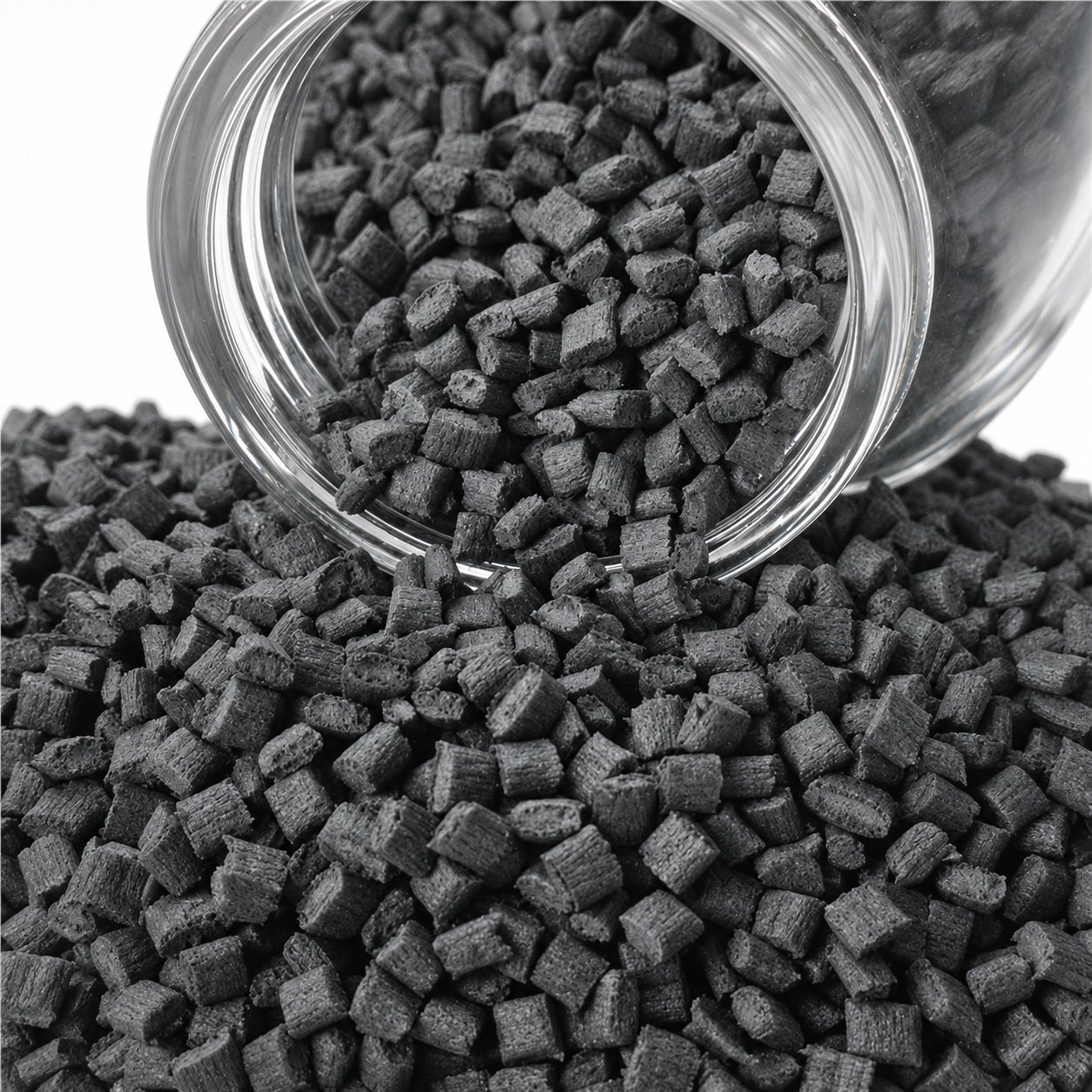
High-Performance Polymer Data Sheets: How to Read Them
Read high-performance polymer data sheets by distinguishing typical values, test conditions and application evidence before selecting a trial grade.
-

Machined vs Molded Specialty Plastic Parts
Compare machining and molding for specialty plastics using quantity, geometry, tolerances, qualification and the complete delivered-part cost.
-
Glass-Filled vs Carbon-Filled PEEK
Compare filled PEEK grades against stiffness, dimensions, wear and electrical targets. Review manufacturing effects and test the complete component.
-
Plastic Wear Grades: Load, Speed and Counterface
Compare wear-grade plastics using the actual counterface, motion, load and lubrication. Measure component and mating-surface behavior in a relevant trial.
-
Plastic Temperature Ratings: Continuous vs Short-Term
Distinguish continuous-use assessments from short-term heat tests. Review method, load and exposure before applying a temperature value to a plastic part.
-
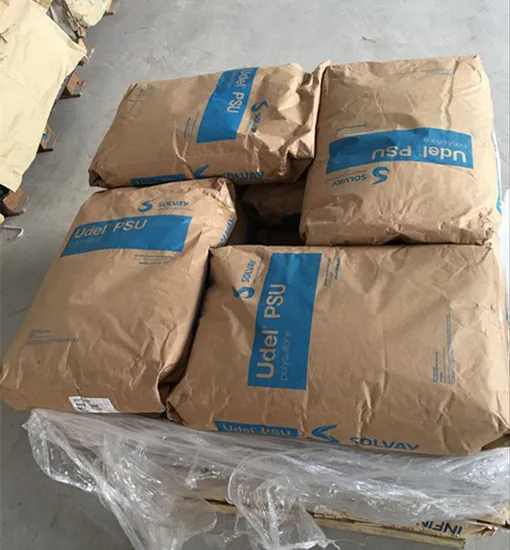
PSU vs PESU vs PPSU: Specification Questions
Distinguish sulfone polymer grades by exact identity, exposure cycle and component requirements, then test dimensions and function after representative use.
-

PPE-Based Compounds: Grade and Blend Identification
Identify complete PPE-based grades and blend requirements. Compare thermal, dimensional and finishing needs using the actual formulation and component.
-

LCP Thin-Wall Molding: Part Approval Checklist
Specify LCP thin-wall features, flow paths and joining requirements. Evaluate critical dimensions and function after the actual manufacturing sequence.
-
PEEK Injection Molding: First-Trial Checklist
Prepare PEEK molding trials with grade-specific guidance, suitable equipment and recorded drying and temperature controls, then assess the finished part.
-
PPS vs PEEK: High-Performance Material Selection
Compare PPS and PEEK grades against combined heat, load, chemicals and manufacturing requirements, then validate the actual component and assembly.