
High-Performance Polyolefin Materials
Practical high-performance polyolefin materials guides covering material selection, processing, applications and purchasing specifications.
-
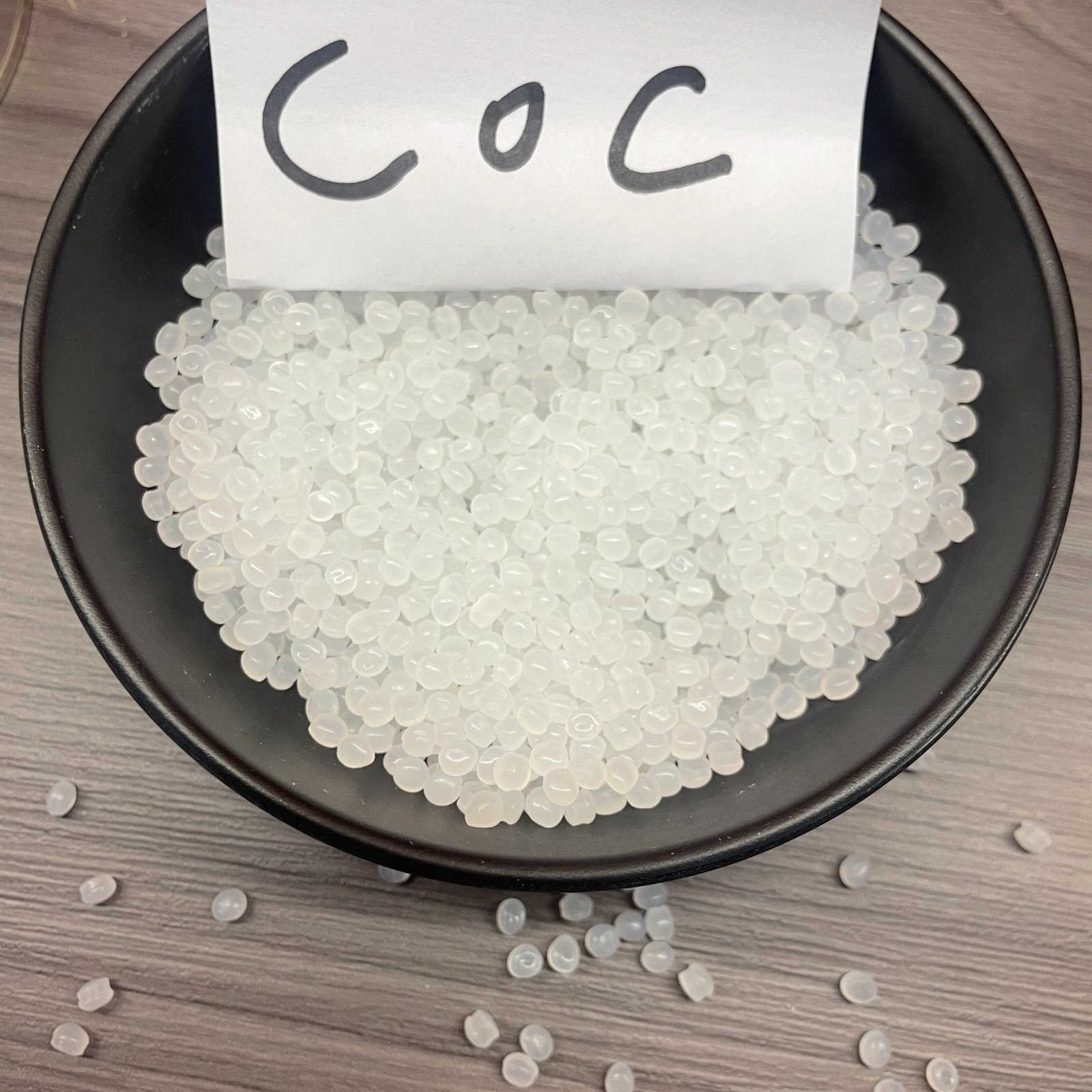
Specialty Polyolefin Qualification Checklist
Qualify specialty polyolefins against a defined application gap, exact grade data and a reproducible trial, with documented supply and process controls.
-
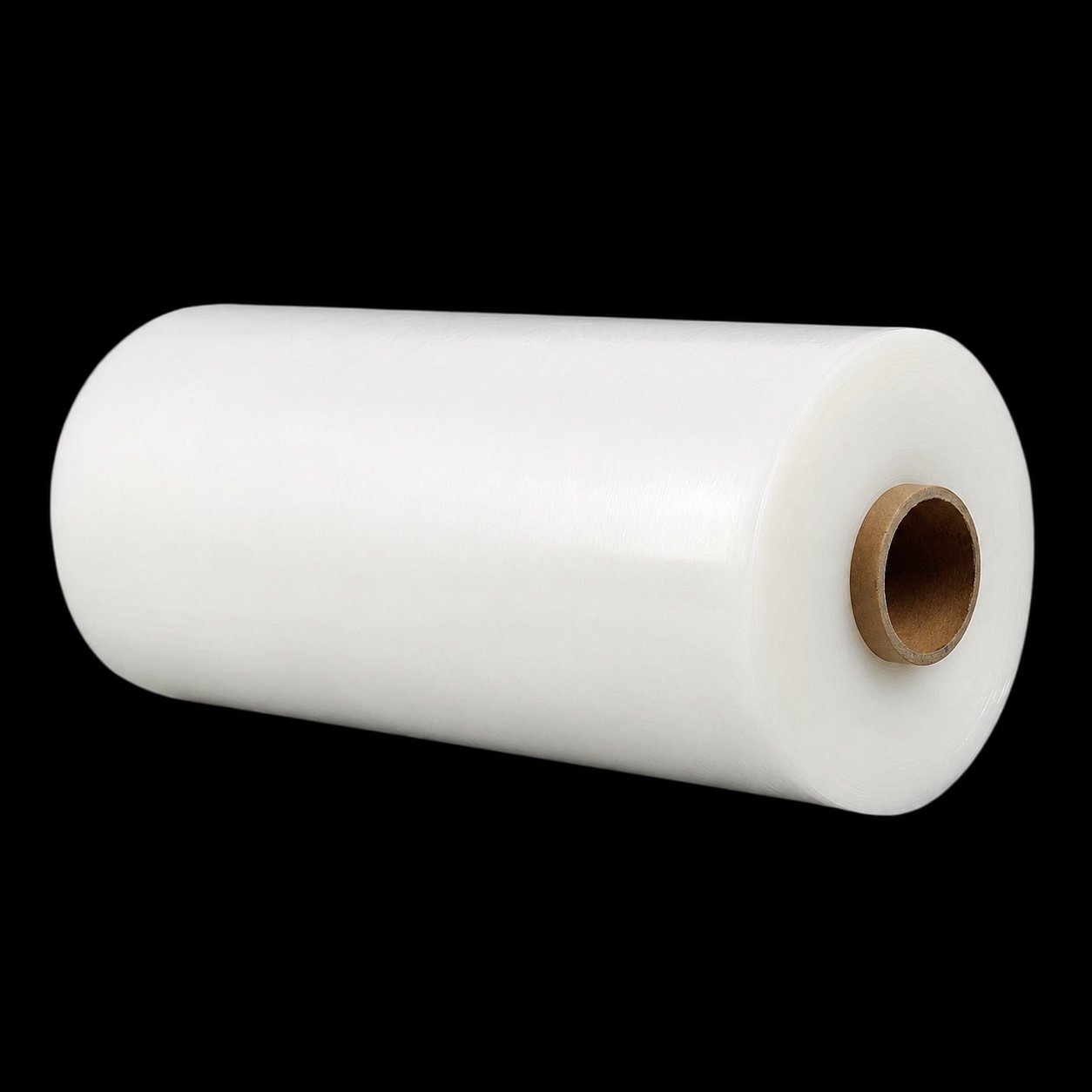
Multilayer Film Material Selection and Validation
Assign barrier, seal, stiffness and adhesion roles to each film layer. Review processing compatibility and test the final structure and package claims.
-
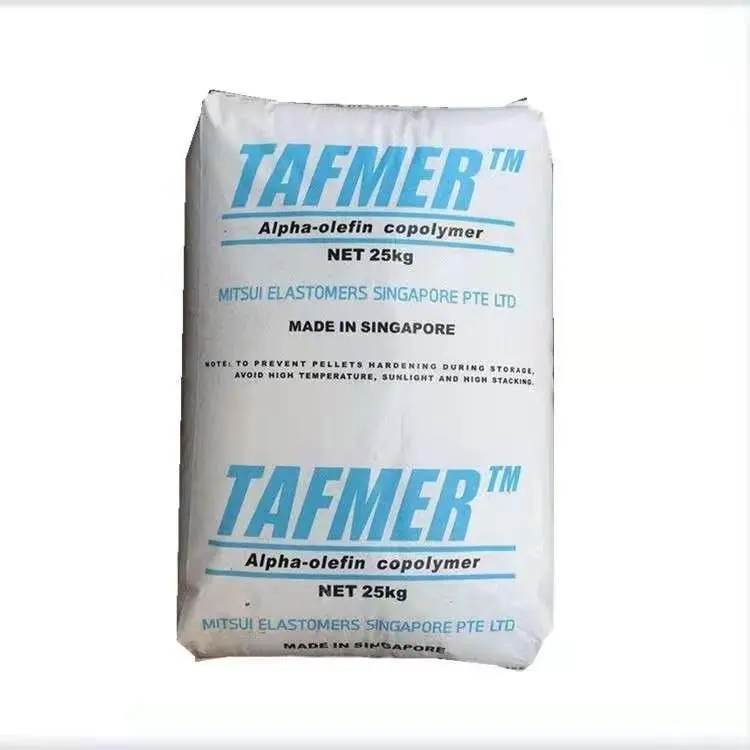
POE Impact Modification of Polypropylene
Evaluate POE impact modifiers in controlled PP blends, balancing toughness with stiffness, flow and dimensions on representative molded assemblies.
-
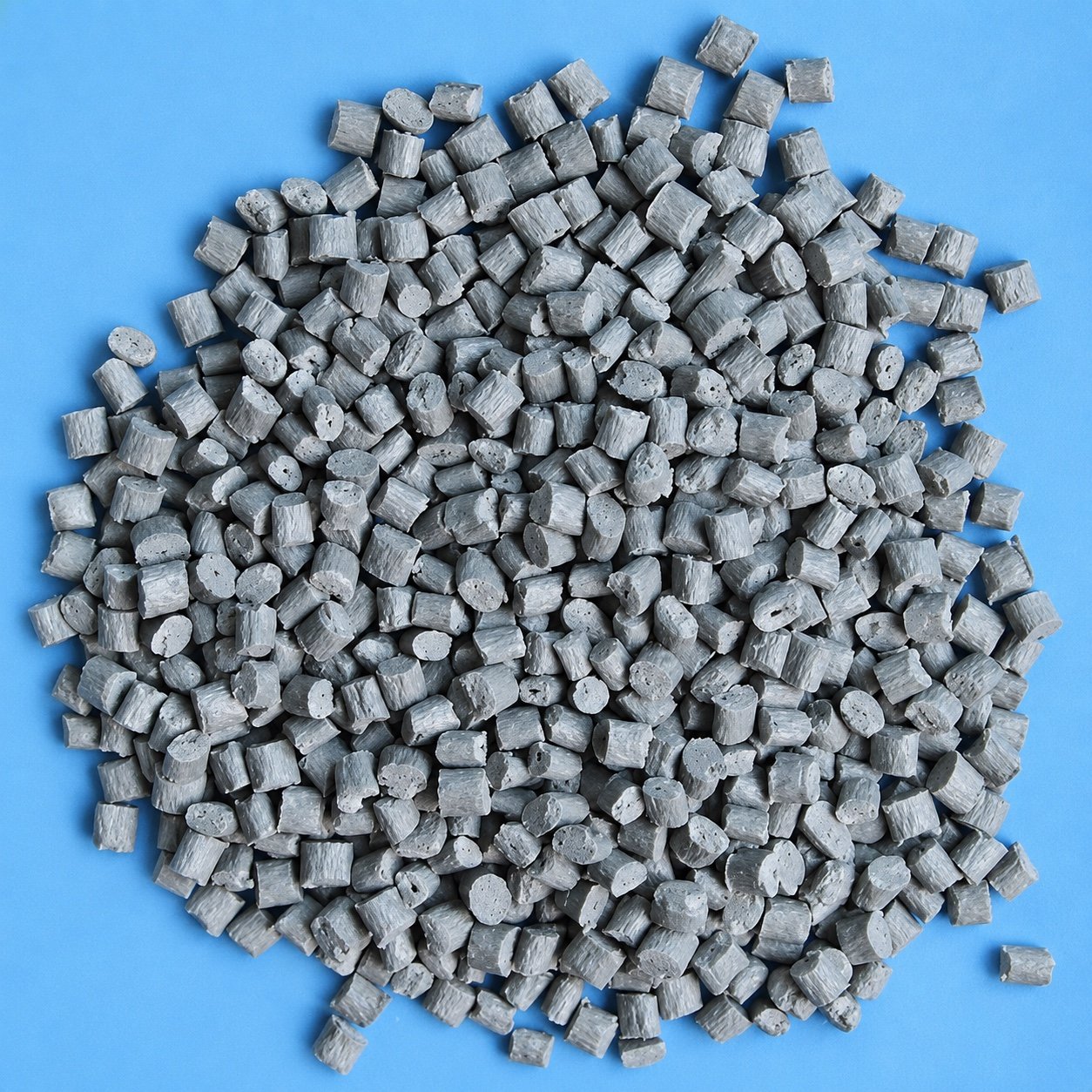
Soft-Touch Polyolefin Compounds: Feel and Durability
Turn soft-touch requirements into approved references and measurable targets. Test the substrate, attachment, cleaning and durability of the complete product.
-

UHMWPE Fiber: Yarn and Textile Specifications
Specify UHMWPE yarn format, linear density, conversion and test requirements. Assess the finished textile construction, including relevant joints or coatings.
-
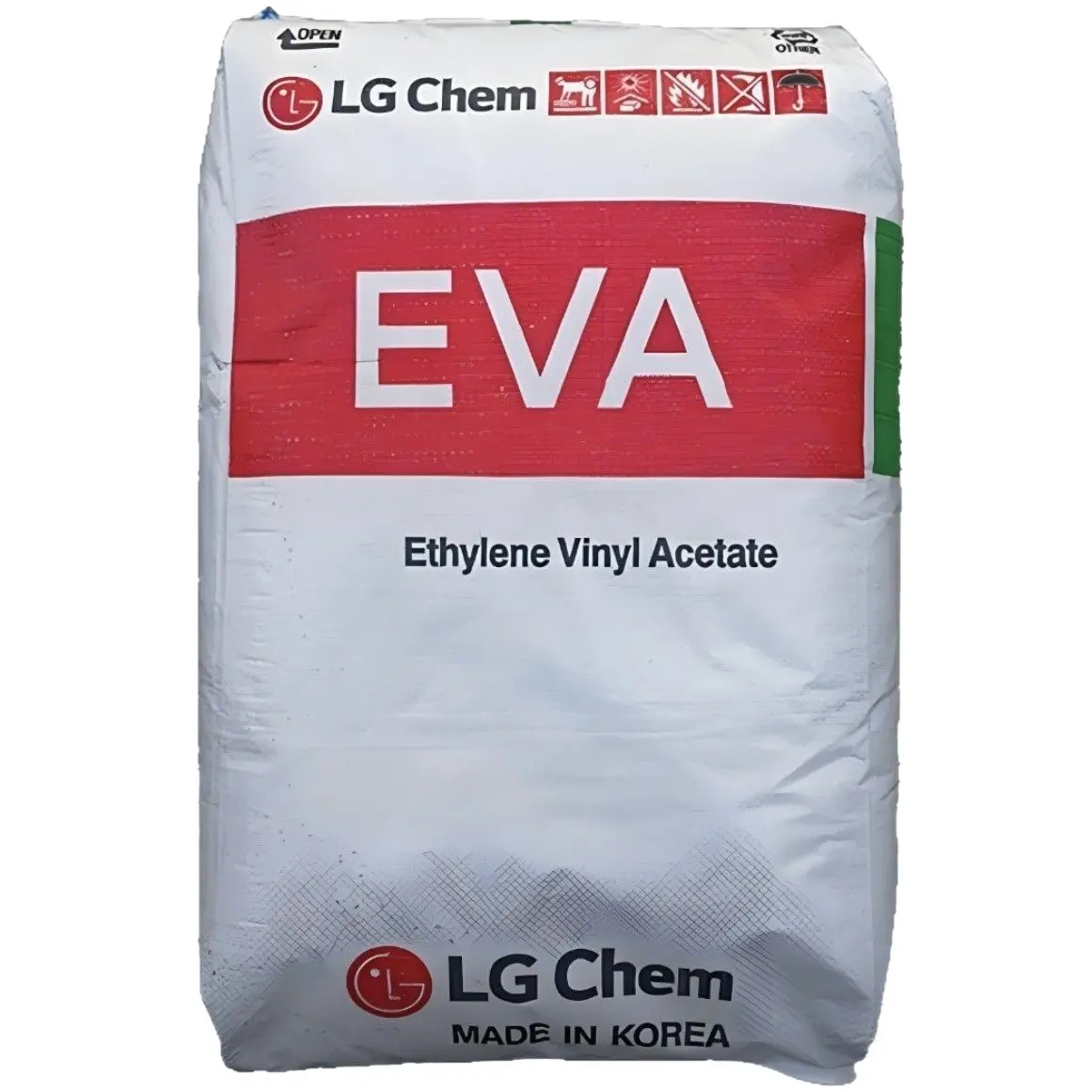
EnBA Hot-Melt Formulations: Resin Selection
Select EnBA trial grades using substrate, application and service requirements. Compare controlled adhesive formulations and bonds after relevant conditioning.
-
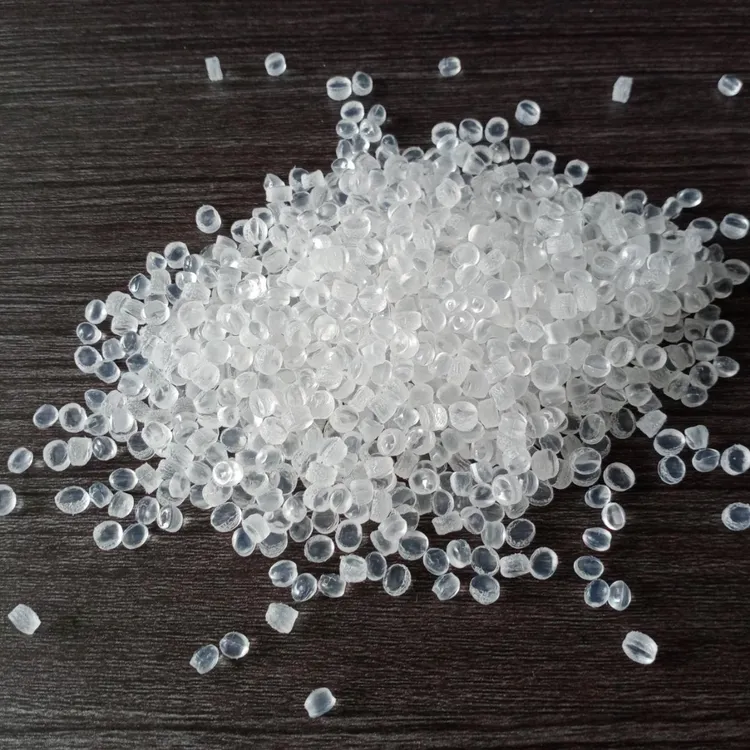
Polyolefin Plastomers for Sealant Film Layers
Evaluate polyolefin plastomers in controlled sealant blends, comparing the seal window, film handling and complete-package integrity at intended output.
-

POE vs OBC: Elastomer Formulation Comparison
Compare POE and OBC grades for flexibility, recovery or impact modification using controlled blends and the finished product’s full requirements.
-

EVOH Barrier Packaging: Layer and Test Requirements
Specify EVOH barrier targets with temperature, humidity and test methods. Evaluate the full layer stack and finished package after conversion and handling.
-
COC vs COP: Clear-Part Specification Guide
Compare COC and COP grades using optical function, thickness, processing and service exposure, then test representative clear components and assemblies.