
Modified Plastics
Practical modified plastics guides covering material selection, processing, applications and purchasing specifications.
-
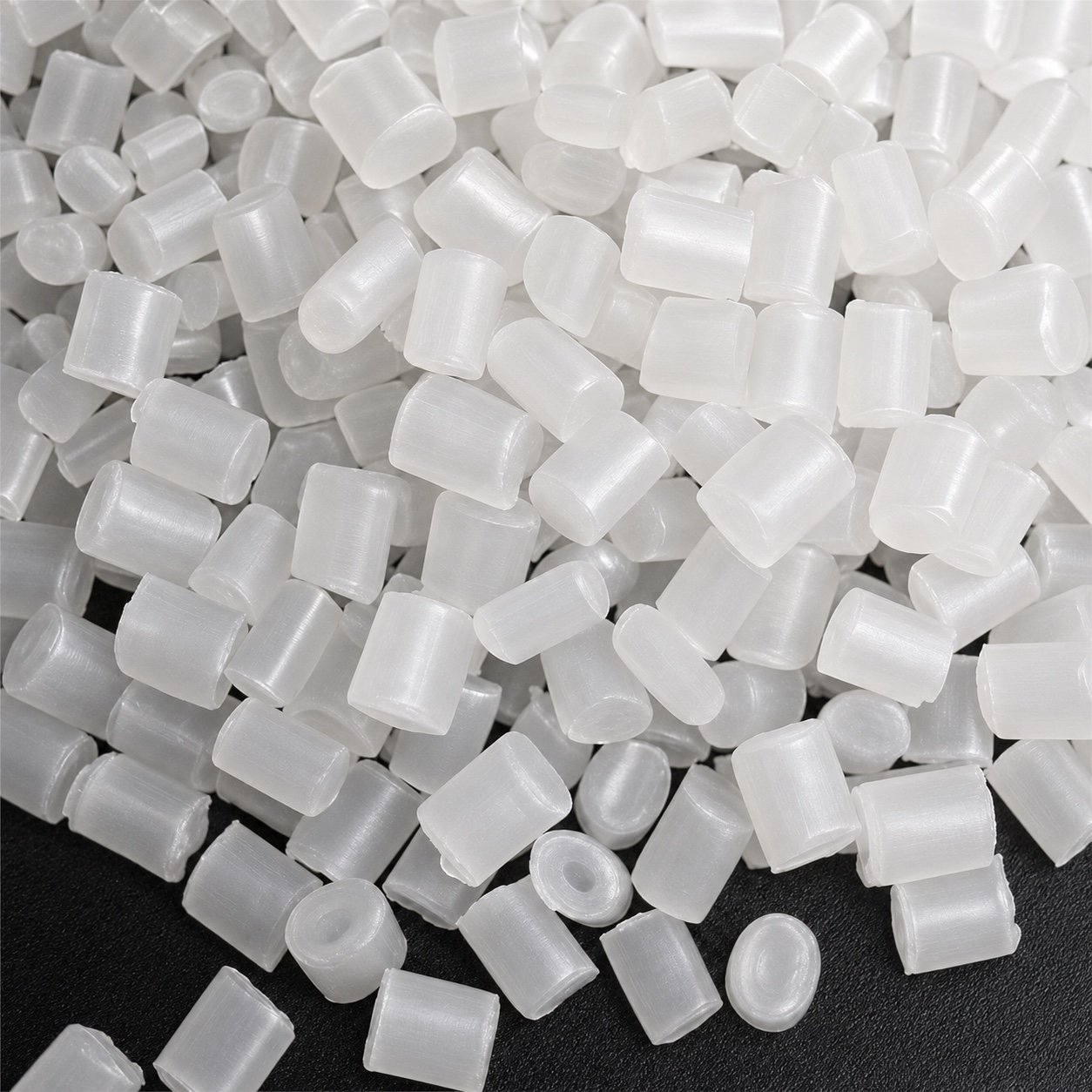
Alternative Plastic Compound Supplier Qualification
Qualify an alternative compound supplier using exact grade data, a production comparison and controls for lot documentation and formulation changes.
-
Plastic Compounding Trials: Formulation Controls
Plan compounding trials with a reference recipe, controlled ingredient changes and traceable processing records, then evaluate the converted product.
-
Low-Odor Plastic Compounds: Test and Supply Criteria
Define low-odor compound requirements with application conditions, an agreed assessment method and controls for formulation, processing and packaging.
-
Plastic Part Warpage: A Controlled Troubleshooting Plan
Investigate plastic warpage using a distortion map, conditioning records, tool and process data, then validate changes on the assembled component.
-

Flame-Retardant Compounds: Documentation Checks
Check flame-retardant compound evidence against the exact grade, color and thickness. Control the production recipe and verify finished-part requirements.
-
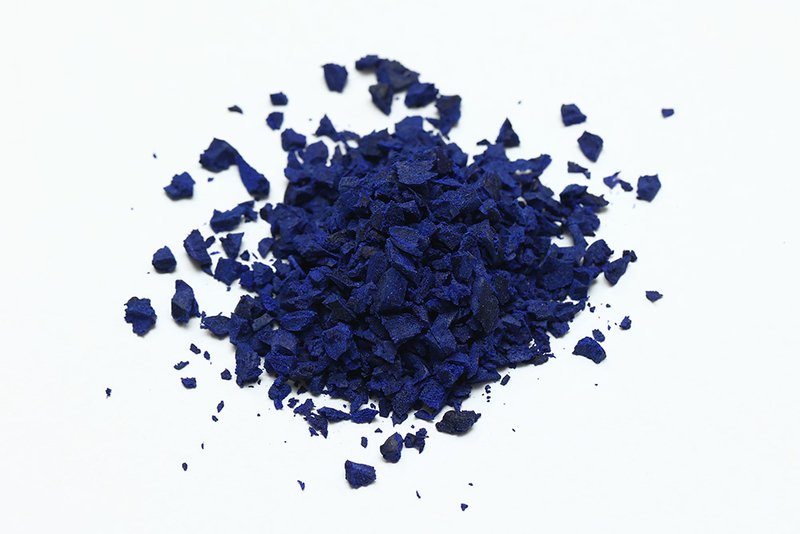
Color Masterbatch Approval and Batch Consistency
Set a color masterbatch standard using the base resin, wall thickness, texture and viewing conditions, then define repeat-batch acceptance limits.
-

Masterbatch Carrier Resin: Compatibility Checks
Select a masterbatch carrier with the base resin, dosage and process in view. Check dispersion and keep the accepted formulation traceable.
-
Impact-Modified PP: Toughness and Stiffness Trials
Plan impact-modified PP trials around service temperature and failure mode while retaining stiffness, dimensional and stable-production requirements.
-
Talc-Filled vs Glass-Filled PP Compounds
Compare mineral-filled and glass-filled PP using stiffness, dimensions, impact, surface finish and usable output rather than filler percentage alone.
-
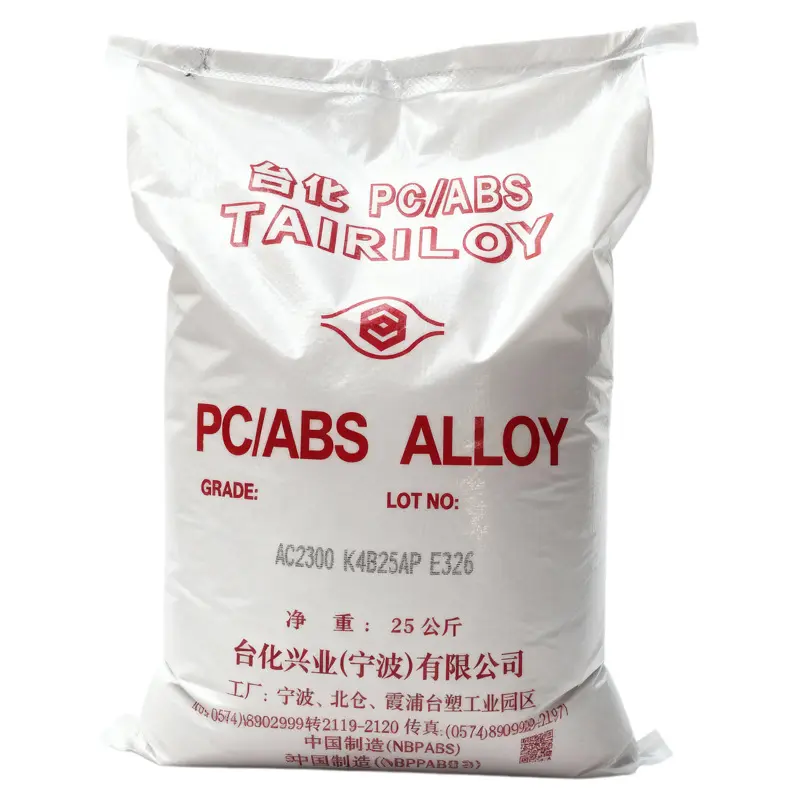
PC/ABS Compounds for Housings: Buying Guide
Specify PC/ABS housings by exact grade, color, assembly and surface requirements. Qualify substitutions using the intended tool and finished-part tests.